
Create your dream home
Simple and easy-to-use home interior design and renovation app to plan your next project. Designed for everyone. No interior design software knowledge is needed.

Simple and easy-to-use home interior design and renovation app to plan your next project. Designed for everyone. No interior design software knowledge is needed.

Modern style
Choose from our large library of home design elements and make adjustments per your taste. Select and add sofas, armchairs, chairs, tables, sideboards, desks, console tables, coffee tables, cabinets, drawers, and more. Adjust the width, depth, and more.
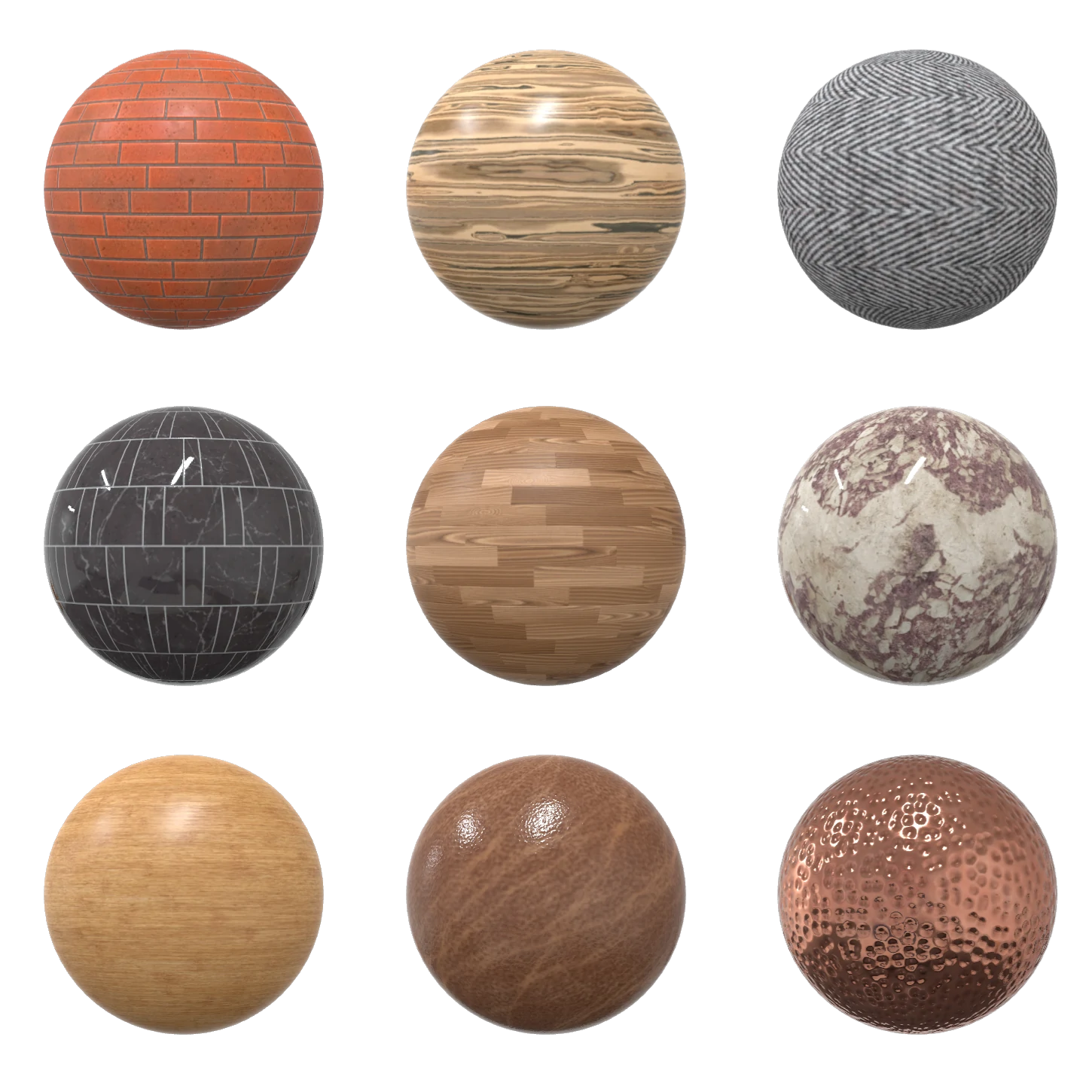
Photorealistic quality
Use materials and color palette to create a unique look and feel. Pick different materials such as paint, bricks, carpets, concrete, and ground and pick different styles and colors for each material.
Animal behavior and veterinary science are two sides of the same coin. While veterinary medicine historically focused on physical health, modern practice treats mental and emotional well-being as equally vital. Understanding how animals think, feel, and react is no longer just a luxury for behaviorists—it is a core component of effective veterinary medicine. The Convergence of Two Fields
Understanding species-specific behaviors allows veterinarians to advise on proper environmental enrichment. For example, fulfilling a cat's predatory drive through puzzle feeders, vertical territory, and scratching posts prevents boredom-related behaviors like overgrooming or inter-cat aggression. For dogs, mental stimulation via sniffing walks, training, and foraging toys is just as exhausting and fulfilling as physical exercise. Conclusion
Proper behavior knowledge ensures animals live lives free from unnecessary distress. zooskool animal sex dog woman wendy with her dogs very hot
Conditions like hypothyroidism in dogs or hyperthyroidism in cats directly alter brain chemistry, leading to sudden anxiety, irritability, or hyperactivity. Fear-Free Veterinary Care: Revolutionizing the Clinic
Animal behavior and veterinary science are two sides of the same coin. A veterinarian cannot fully treat the physical body without addressing the emotional state, just as a behavior professional cannot modify a behavior without understanding the animal's underlying physiology. Animal behavior and veterinary science are two sides
Reducing "fear-free" clinic visits improves patient outcomes and healing speeds.
Understanding animal behavior allows veterinarians, behaviorists, and pet owners to identify illnesses early, reduce stress during medical treatments, and solve complex behavioral issues that might otherwise lead to shelter abandonment or euthanasia. The Intersection of Behavior and Medicine reduce stress during medical treatments
As our knowledge of animal behavior and veterinary science continues to grow, we are likely to see significant advances in animal care, conservation, and human-animal interactions. By embracing the intersection of these two fields, we can work towards a future where animals receive the care and respect they deserve, and where humans and animals can interact in a more compassionate and informed way.
Behavioral changes are frequently the first sign of neurological dysfunction. For example: