To make this write-up perfect for your needs, could you tell me: What is the intended audience (e.g., investors, marketing students, or a general blog)? What is the desired tone (e.g., professional, academic, or hype-focused)? Are you looking to analyze a specific industry , like gaming, streaming video, or music? I can then expand on revenue models marketing strategies specific to your goal.
The media landscape is shifting toward "direct-to-consumer" exclusivity. Industry leaks suggest that within the next six months, will expand into:
Any (Netflix, Disney, Sony, etc.) you want featured xxxbptvcom exclusive
For instance, when a major musician drops a 15-second snippet of a new song exclusively on Instagram Reels, that is entertainment content. When a comedian tests a set of jokes only on TikTok Live, that is exclusive. These micro-moments bypass traditional gatekeepers and feed directly into the viral machine.
Modern media companies rarely restrict an exclusive property to its original format. Instead, successful exclusive content undergoes rapid horizontal integration across multiple entertainment sectors: To make this write-up perfect for your needs,
When searching for or accessing sites with names like "xxxbptv," it is important to exercise caution:
Accessing these sites is straightforward, but requires caution. I can then expand on revenue models marketing
The demand for specialized digital content is part of a larger shift in consumer behavior. As broad-spectrum services become more expensive and saturated, users are increasingly willing to pay for "exclusive" experiences that align with their specific interests. This "exclusivity" provides several economic advantages for the provider:
Streaming platforms like Spotify, Apple Music, and Tidal often secure exclusive rights to new album releases or special artist content, enticing fans to choose their service over competitors.
An analysis of how the platform's content is actually sourced reveals that its use of the word "exclusive" is a significant point of confusion for potential users. Instead of referring to content produced in-house, it appears to be a promotional term:
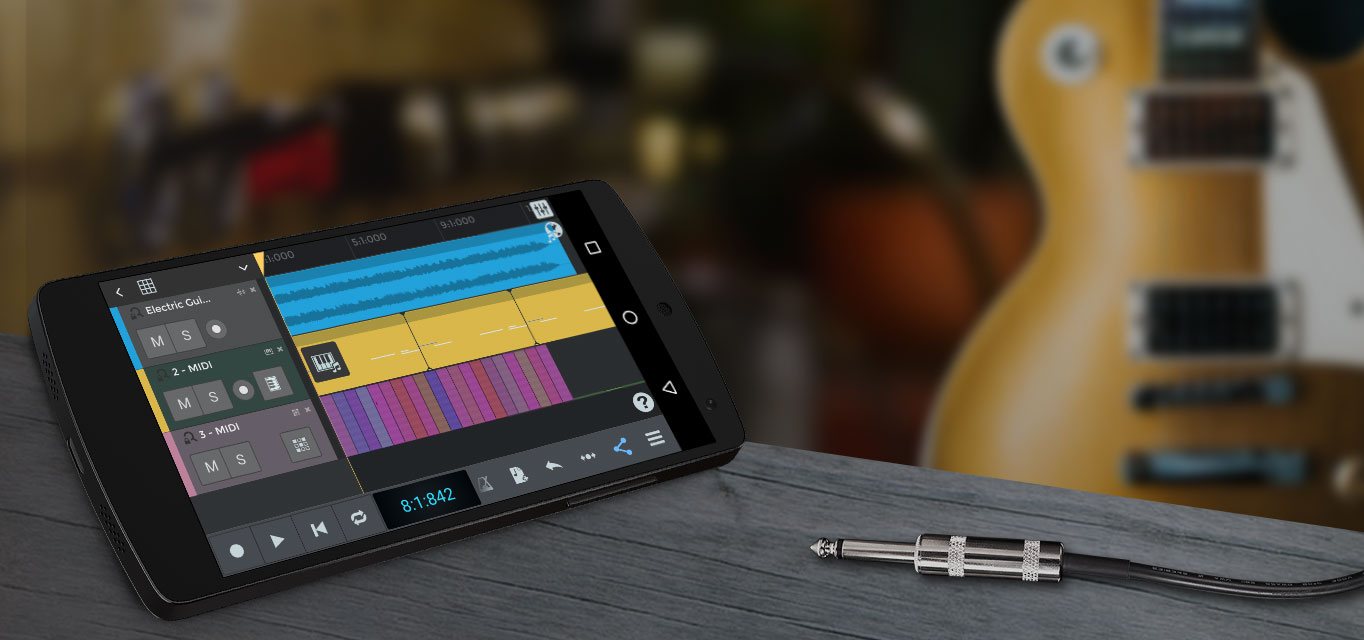
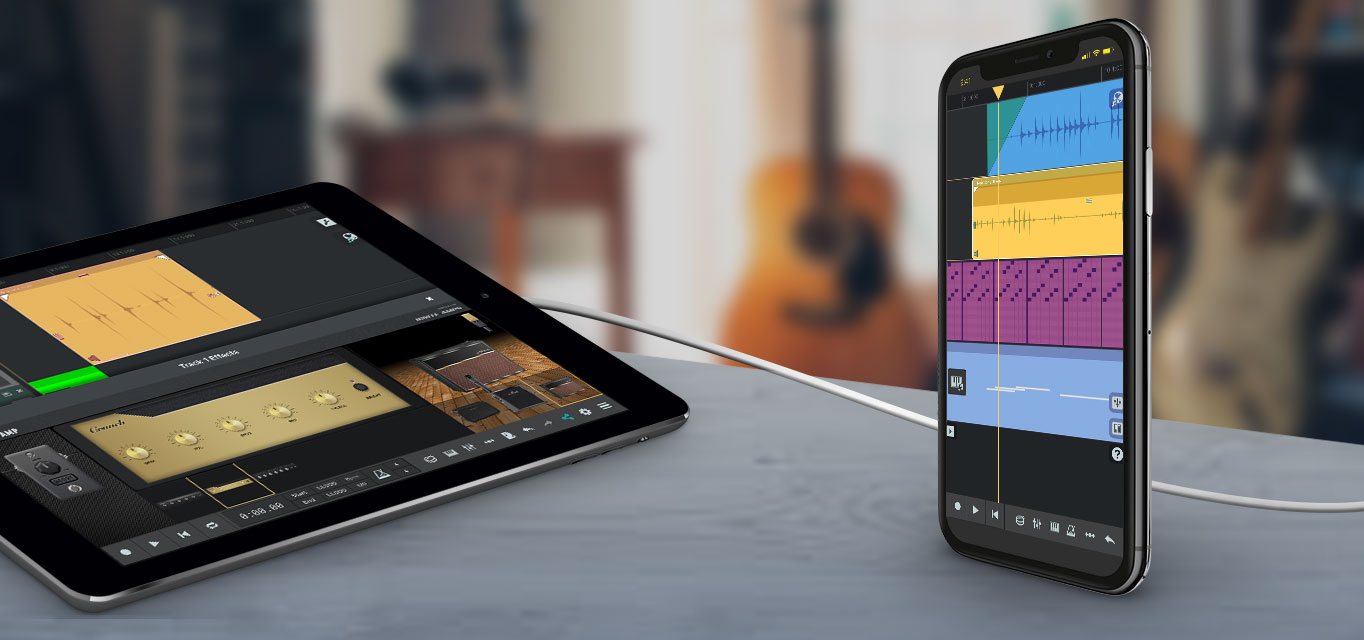
 n-Track