: This refers to Audio Video Interleave, a multimedia container format introduced by Microsoft in 1992. The Technical Evolution of the AVI Container

Whether reviewing the academic proceedings or the year in review,

Movie.Name.2013.HD.AVI-GROUPNAME

The story follows a specialized elite unit tasked with stopping a global threat. It leans heavily into the "techno-thriller" subgenre, involving high-stakes hacking, corporate espionage, and tactical combat. Production Quality:

Older media players attempting to decode non-standard or malformed AVI streams can suffer from buffer overflow vulnerabilities. Attackers can engineer corrupted AVI files that inject malicious code into system memory when opened by vulnerable playback software. Fake Video Codecs

Audio Video Interleaved (AVI) is a multimedia container format introduced by Microsoft in 1992. While widely popular for many years, by 2013, it was rapidly being replaced by more modern containers like MP4 (MPEG-4 Part 14) and MKV (Matroska), which offered better compression and support for modern high-definition codecs (like H.264/AVC). Evolution of Media Formats (2013-2026)

This placeholder typically represented specific movie titles, adult content, or highly sought-after viral video clips of the era.

The query "xxx -2013- HD avi" serves as an artifact of a specific moment in internet history. It captures a time when users demanded high-definition content but still relied on search habits and container formats left over from the web's early infrastructure. Today, streaming protocols (like HLS and DASH) and modern containers (like MP4 and WebM) combined with robust browser-based security sandboxes have largely made the hazardous practice of downloading unverified AVI files obsolete.

Millions of standalone DVD players, early smart TVs, and gaming consoles (like the Xbox 360 and PlayStation 3) had built-in hardware decoding for AVI files compressed with DivX or Xvid codecs.

Unlike modern containers, AVI was not built to seamlessly handle multiple audio tracks, subtitles, or chapters natively. The Shift to High Definition (HD) in 2013

Another prominent threat mechanism involved files that actually were video clips but were intentionally corrupted or encrypted. When opened, the media player would display an error message directing the user to a malicious website to download a "missing HD codec." The downloaded codec was invariably a Trojan horse designed to conscript the user's computer into a botnet or steal browser credentials. Summary of the Digital Evolution
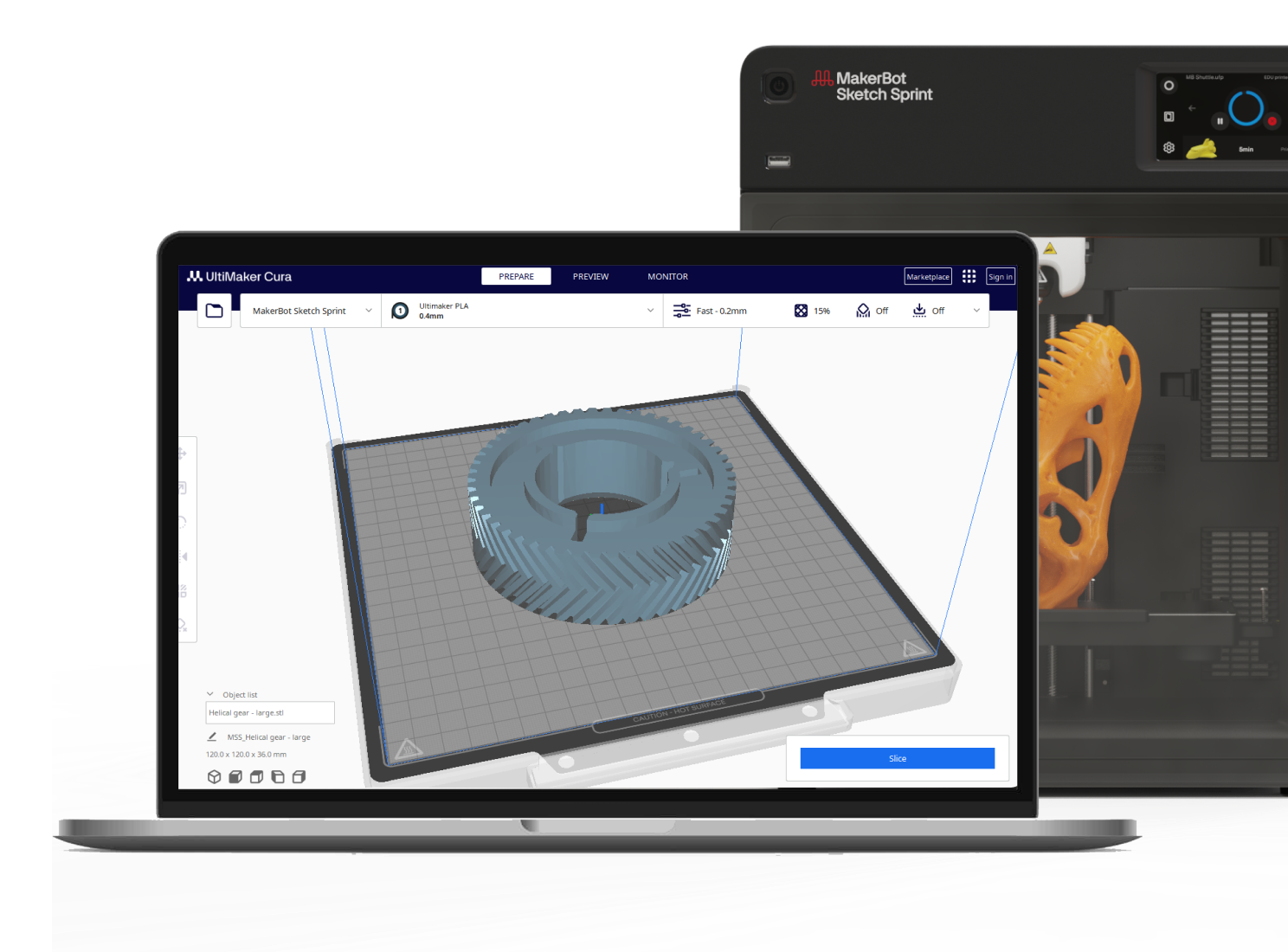
UltiMaker Cura

For advanced users looking to get the most custom control over their 3D printers.

UltiMaker Cura is free, easy-to-use 3D printing software trusted by millions of users. Fine-tune your 3D model with 400+ settings for the best slicing and printing results.

xxx -2013- HD avi
xxx -2013- HD avi

Free slicing software

Powerful, open-source slicing engine, built through years of expert in-house development and user contributions.

xxx -2013- HD avi

Seamless Integration with MakerBot & UltiMaker 3D Printers

Cura ensures reliable, high-quality prints while supporting a wide range of materials for diverse educational applications.

xxx -2013- HD avi

Desktop-based solution

A reliable, distraction-free workflow that supports STEM, design, and engineering education.

Xxx -2013- Hd Avi

: This refers to Audio Video Interleave, a multimedia container format introduced by Microsoft in 1992. The Technical Evolution of the AVI Container

Whether reviewing the academic proceedings or the year in review,

Movie.Name.2013.HD.AVI-GROUPNAME

The story follows a specialized elite unit tasked with stopping a global threat. It leans heavily into the "techno-thriller" subgenre, involving high-stakes hacking, corporate espionage, and tactical combat. Production Quality:

Older media players attempting to decode non-standard or malformed AVI streams can suffer from buffer overflow vulnerabilities. Attackers can engineer corrupted AVI files that inject malicious code into system memory when opened by vulnerable playback software. Fake Video Codecs xxx -2013- HD avi

Audio Video Interleaved (AVI) is a multimedia container format introduced by Microsoft in 1992. While widely popular for many years, by 2013, it was rapidly being replaced by more modern containers like MP4 (MPEG-4 Part 14) and MKV (Matroska), which offered better compression and support for modern high-definition codecs (like H.264/AVC). Evolution of Media Formats (2013-2026)

This placeholder typically represented specific movie titles, adult content, or highly sought-after viral video clips of the era. : This refers to Audio Video Interleave, a

The query "xxx -2013- HD avi" serves as an artifact of a specific moment in internet history. It captures a time when users demanded high-definition content but still relied on search habits and container formats left over from the web's early infrastructure. Today, streaming protocols (like HLS and DASH) and modern containers (like MP4 and WebM) combined with robust browser-based security sandboxes have largely made the hazardous practice of downloading unverified AVI files obsolete.

Millions of standalone DVD players, early smart TVs, and gaming consoles (like the Xbox 360 and PlayStation 3) had built-in hardware decoding for AVI files compressed with DivX or Xvid codecs. Production Quality: Older media players attempting to decode

Unlike modern containers, AVI was not built to seamlessly handle multiple audio tracks, subtitles, or chapters natively. The Shift to High Definition (HD) in 2013

Another prominent threat mechanism involved files that actually were video clips but were intentionally corrupted or encrypted. When opened, the media player would display an error message directing the user to a malicious website to download a "missing HD codec." The downloaded codec was invariably a Trojan horse designed to conscript the user's computer into a botnet or steal browser credentials. Summary of the Digital Evolution