Automate code & data workflows with interactive notebooks
Get rid of scripts, manual steps, and outdated docs. Use Elixir and Livebook to share knowledge, deploy apps, visualize data, run machine learning models, debug systems, and more!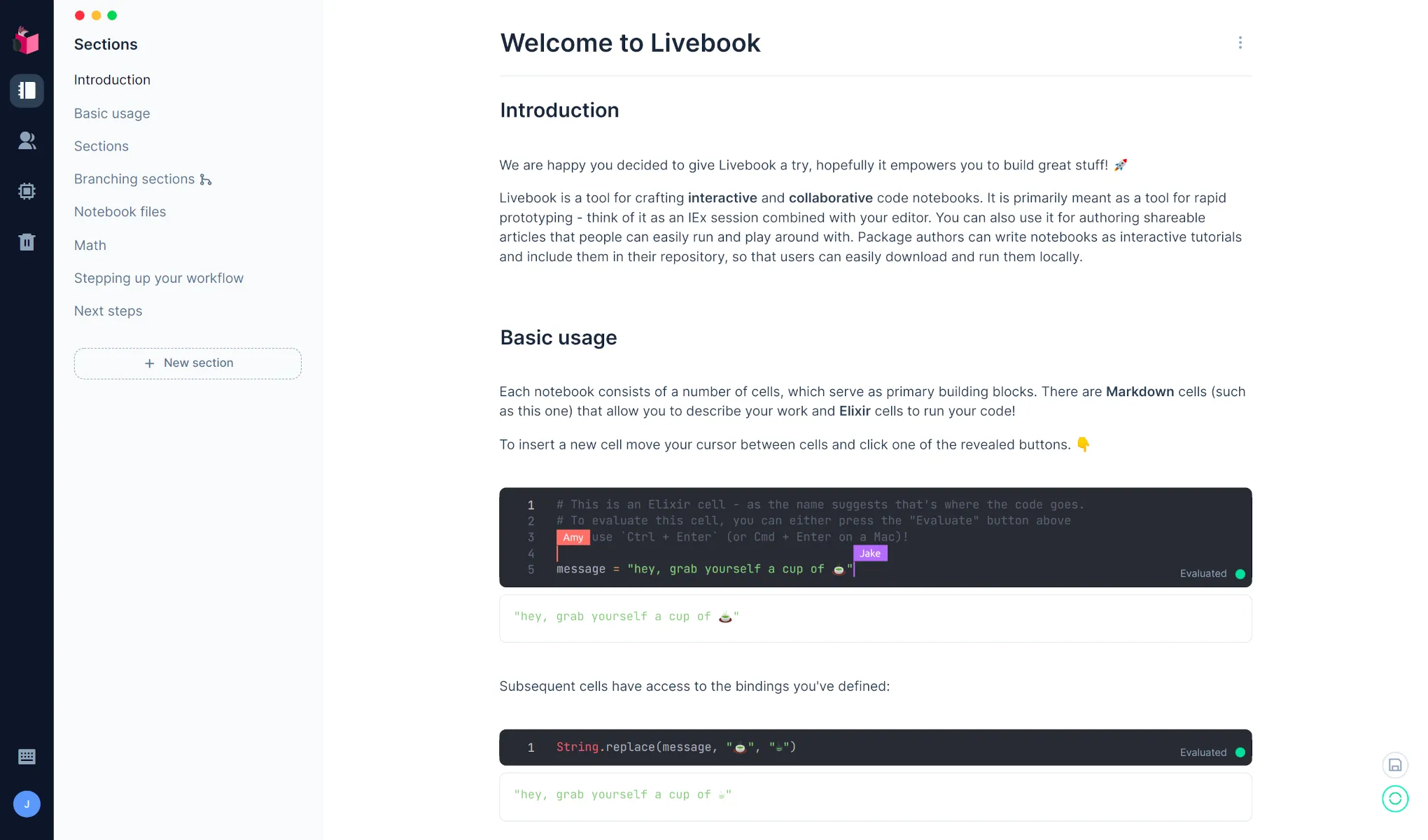

To run on Linux, Docker, embedded devices, or Elixir’s Mix, check our README.
When downloading NSP or XCI files, it's a good idea to look for releases that include the latest update (v1.3.1) to ensure you have the most stable version of the game.
Whether you choose the seamless home-menu integration of an or the versatile cartridge-emulation of an XCI , Tales of Symphonia Remastered stands as a must-play masterpiece on the Nintendo Switch. By choosing the format that best fits your storage style and keeping your system updated, you can experience this legendary tale of world regeneration in its finest portable form.
The Nintendo Switch’s hybrid nature makes it the perfect platform to tackle a long, quest-heavy JRPG.
If you insist on using an NSP, move it to the , not your SD card. The Switch’s internal memory has faster read speeds than 99% of microSD cards. This reduces the "door transition" lag by about 0.5 seconds. tales of symphonia remastered switch nsp xci a best
The primary draw of the Nintendo Switch version is its hybrid nature. An epic 40 to 80-hour RPG journey can be played seamlessly on a television or in handheld mode during a commute. Timeless Cel-Shaded Art Style
While the game looks great on a TV, the cell-shaded graphics and 30 FPS cap feel incredibly native, sharp, and natural when played in the comfort of handheld mode. Share public link
While textures are cleaner, it is a remaster, not a remake. The visuals show their age, and some textures remain blurry or unoptimized for modern screens. B. Technical Issues (The "Best" Problem) When downloading NSP or XCI files, it's a
For the most stable and updated version, you can purchase the game officially through the Nintendo eShop
To ensure you have the best experience, look for files that include the (or later). Early versions of the remaster faced performance issues and bugs that were largely addressed in subsequent patches. A clean "Base + Update" file set is essential for a smooth 30fps experience.
Many players have noted surprisingly long load times between maps and when entering/exiting battles. The Nintendo Switch’s hybrid nature makes it the
Regardless of the format, the content of Tales of Symphonia Remastered includes:
To use these files on a modified console, common tools include:
However, as a "remaster," it is a failure. The 30 FPS lock, the reliance on an inferior PS2 port, and the persistent technical issues are inexcusable, especially when the game originally ran at 60 FPS on a console two generations older. For many, the best way to play Tales of Symphonia remains the original GameCube version or the PC port, which can be modded.