The gold standard for a healthy, well-digested diet.
What or changes in stool quality (color, consistency, frequency) are you currently observing in your dog? What is your dog's age, breed, and current diet ? g., Parvovirus, Giardia, Hookworms), or Share public link
Before any laboratory tests run, veterinarians evaluate the stool’s physical characteristics. They grade the sample based on a standardized fecal scoring chart (typically ranging from 1 to 7, where 1 is hard/pellet-like and 7 is completely liquid watery diarrhea). They also look for specific color abnormalities: Healthy, normal canine stool.
I'll use the search results to provide general information about dog feces analysis and veterinary clinics, and I'll cite the relevant sources. I'll also mention the sweetmook.com domain as a clue. Now, I'll write the article.Decoding the Mystery of 'Sweetmook Dog Scat Clinic 1': Canine Health, Digital Artifacts, and Unusual Keywords** Sweetmook Dog Scat Clinic 1
When a clinical sample is evaluated, veterinarians look at specific physical and microscopic characteristics:
: Define the purpose of "Clinic 1" (e.g., initial baseline scent imprinting). Target Species
: Many intestinal worms do not show outward symptoms until an infestation is severe. The gold standard for a healthy, well-digested diet
As a responsible pet owner, it's essential to consider the impact of your furry friend's waste on the environment and the community. One often-overlooked aspect of pet ownership is dog waste management. Failing to properly dispose of dog waste can lead to a range of issues, from environmental pollution to the spread of diseases. This is where Sweetmook Dog Scat Clinic 1 comes in – a pioneering initiative dedicated to promoting proper pet waste management and providing a convenient solution for dog owners.
Advanced DNA testing that scans the sample for the genetic material of viral threats like Parvovirus, or deep-seated protozoal infections. Common GI Pathogens Identified in Clinical Settings Pathogen Type Common Examples Primary Symptoms Transmission Method Protozoa Giardia , Coccidia Watery, mucus-laden diarrhea, flatulence, weight loss Contaminated standing water, soil, or grooming Nematodes (Worms) Hookworms , Roundworms , Whipworms Lethargy, vomiting, anemia, pot-bellied appearance Ingesting soil, flea vectors, or maternal milk Bacteria Salmonella , Clostridium perfringens Acute bloody diarrhea, severe abdominal cramping Raw food contamination, scavenging carrion Viruses Canine Parvovirus, Coronavirus Violent vomiting, hemorrhagic diarrhea, extreme dehydration
Maintaining a dog's digestive wellness is one of the most critical aspects of proactive pet care. When a dog experiences gastrointestinal (GI) distress, their stool (or "scat") serves as a primary diagnostic indicator for veterinarians. Understanding how a specialized clinic evaluates canine digestive health can help pet parents identify warning signs early, seek targeted medical care, and implement effective preventative strategies. The Role of a Canine GI and Scat Evaluation Clinic I'll use the search results to provide general
Many internal parasites do not cause outward symptoms until the infestation is severe, making early clinic screening essential. 2. The Four Pillars of Stool Evaluation
When dogs experience digestive distress, visiting a professional veterinary clinic is essential for an accurate diagnosis and treatment plan. 4 Crucial Indicators of Your Dog’s Stool Health
Novel protein diets, hypoallergenic prescription food, or anti-inflammatory drugs. Lethargy, watery diarrhea
Leica TCR805 R400. battery, charger, carry case
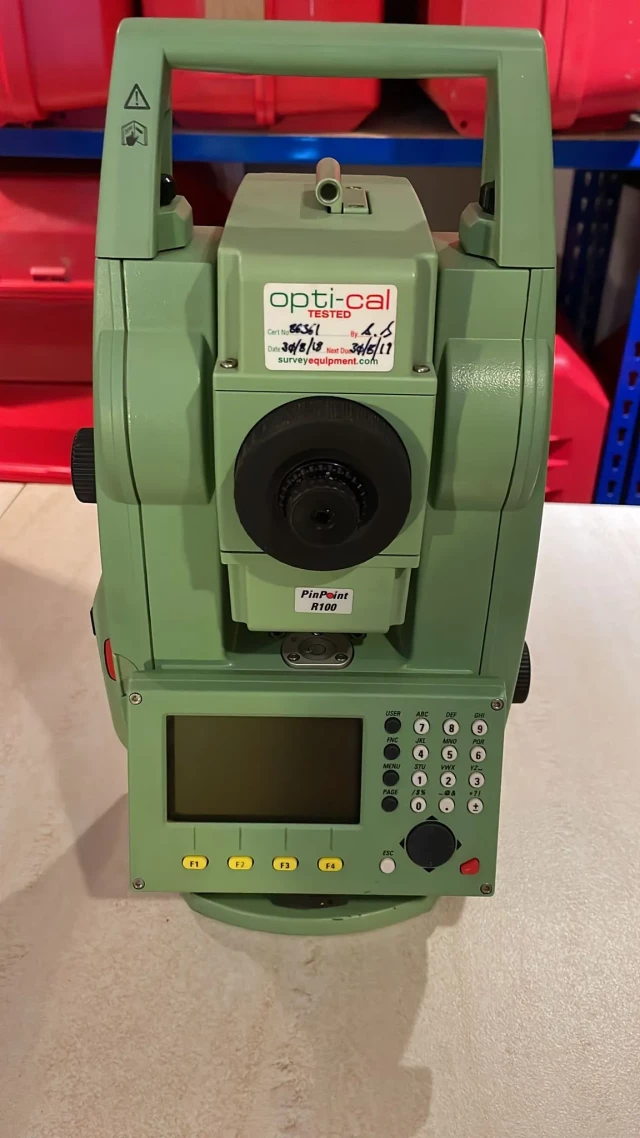
battery, charger, carry case
Brand: Leica Geosystems
Category: Manual Total Stations
Product: No-Name
Price: $2652
Target Tracking: No
AutoCenter: No
Imaging: No
Scanning: No
Brand: Leica Geosystems
Model: TCR805 Power R400
Year of manufacture: 2008
Condition: Used
Made In: Switzerland
Usage:
Item Number: 754232
Angular Accuracy: 5
Reflectorless Range: 400
Distance Measurment:
Enviromental Conditions:
Data Storage: