Ojisan De Umeru Ana The Animation Ep01 Web H Patched ❲LEGIT❳
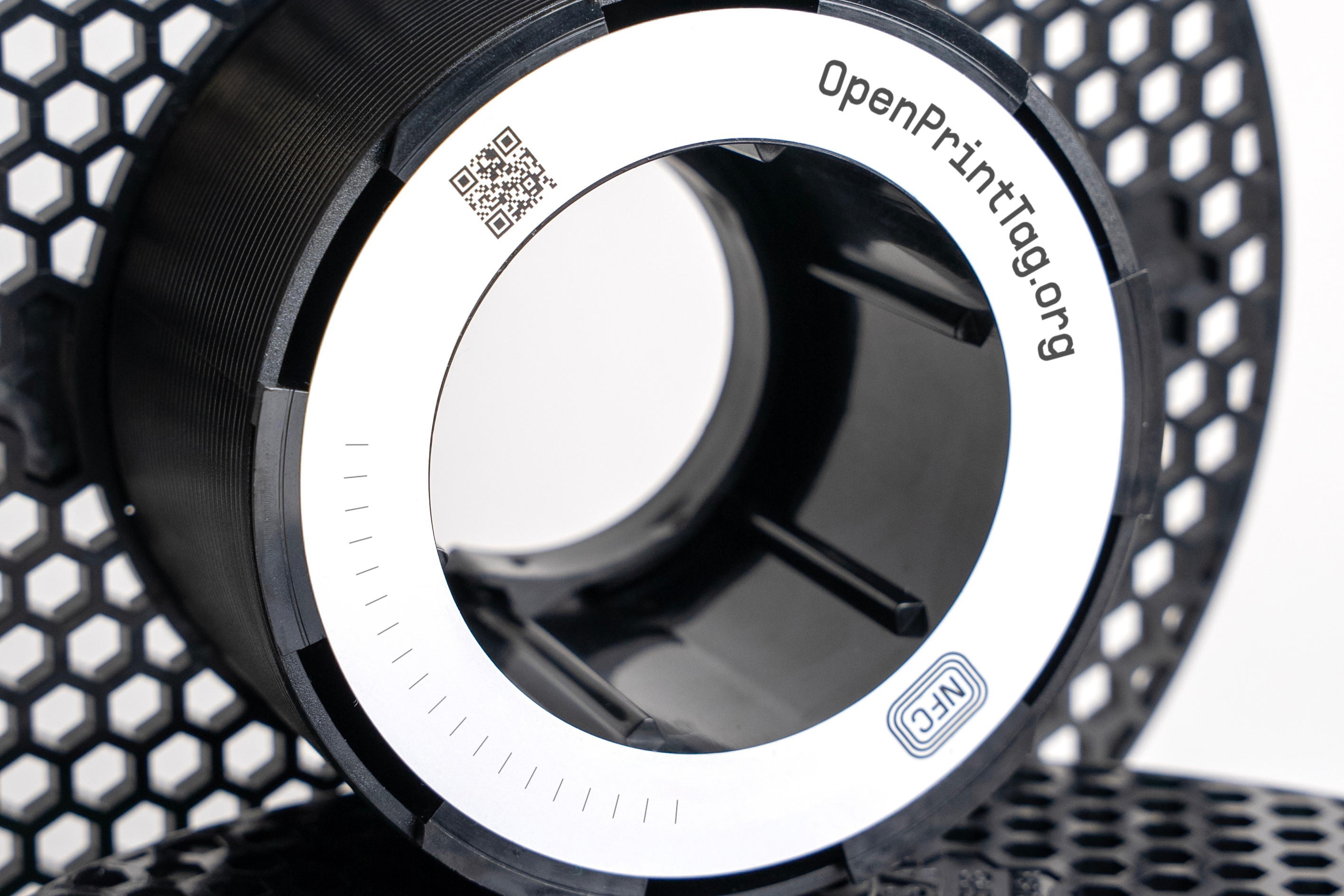
Ending the Wild West of Smart Spools
An open-source initiative by Prusa Research creating a single smart spool standard that works across all brands
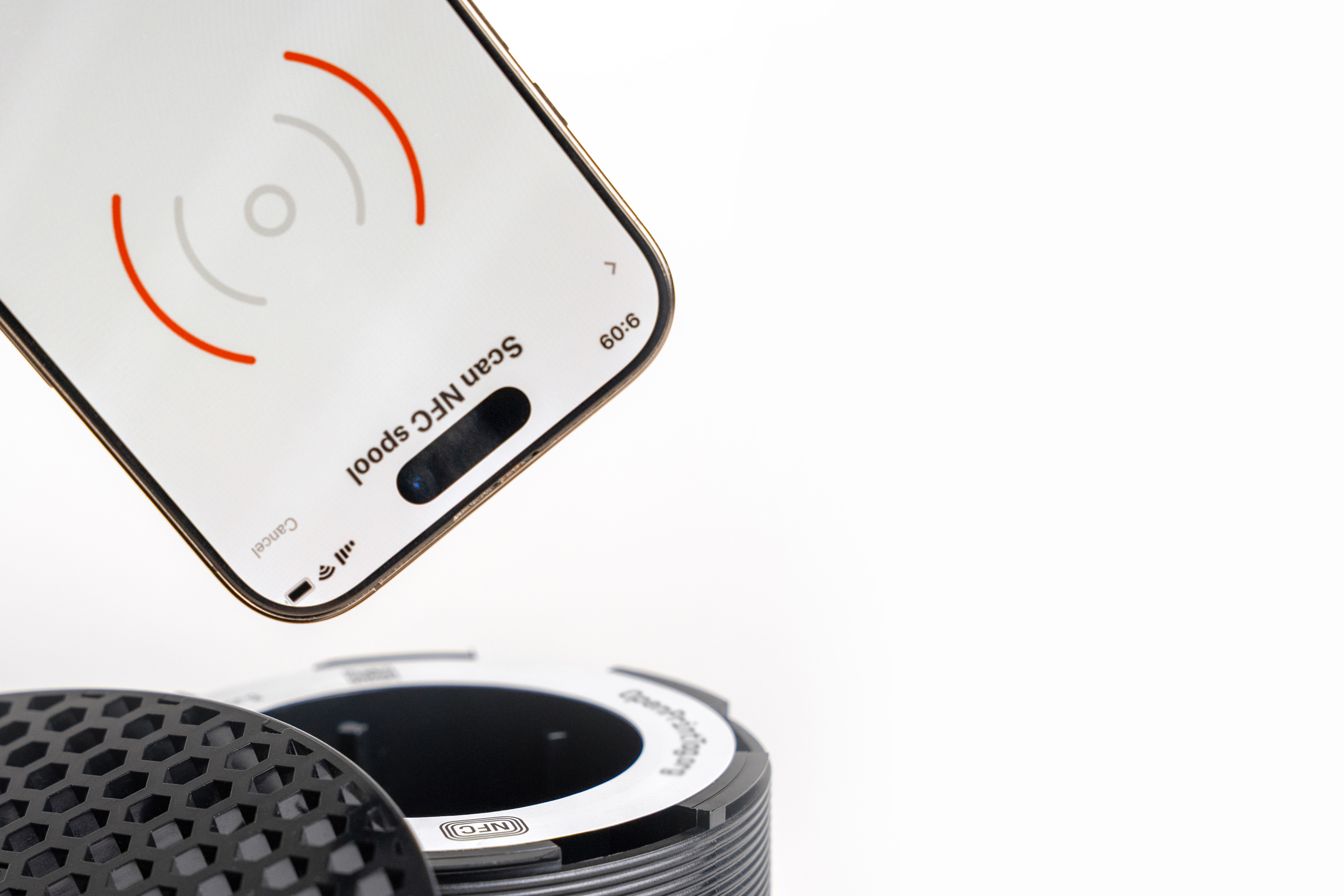
and ecosystems. This allows printers and users to read and write data
directly on any spool, making 3D printing more reliable and intuitive
for everyone.
100%
Open Source
Universal
Compatibility
Future
Proof
Interested companies and groups
Why Do We Need Smart Spools?
3D printers have become incredibly user-friendly, but interaction with filament is still a very manual process. To improve the user experience and streamline the workflow, we need smart spools.
A smart spool carries all the important information about the material and its workflow, unlocking key features:
Material Recognition
Instantly identifies the material type and color, significantly reducing user error and leading to a simpler, more reliable workflow.
Live Data Tracking
Real-time data tracking, such as the amount of remaining filament, so you always know the exact status of your material.
Inventory Management
Enables effortless inventory management and full traceability by allowing you to log custom data.
The Few "Smart" Spools Today
Some smart spools already exist, but they lack the core principles of universality and interoperability. It's like every brand suddenly decided to use a different filament diameter.
🔒
Locked Proprietary Ecosystems
Smart spools are often locked to their specific hardware and filament. This makes them unusable with any third-party machines, forcing users into a closed ecosystem.
⚠️
Cloud Dependency
Many smart spools just refer to an online database, forcing you to rely on the manufacturer's cloud service. No internet? Your "smart" spool becomes dumb.
🗑️
Read-Only & One-Time-Use
Current Smart Spools offer little to zero reusability. This read-only design prevents any updates to live data, and once the filament is depleted, you have no choice but to throw the 'smart' spool away.
Ojisan De Umeru Ana The Animation Ep01 Web H Patched ❲LEGIT❳
refers to the highly anticipated debut episode and subsequent community-driven technical updates of a prominent adult anime release.
: Web streams sometimes suffer from poor bitrates or audio synchronization errors. Re-encoded patched versions fix these framerate dips and audio bugs for a smoother viewing experience. Digital Safety and Safe Browsing
These patches are not official products from the creators (Pink Pineapple, etc.) but are rather that alter the video files. Therefore, a "web h patched" version is a digitally sourced copy of the episode that someone has modified to remove the censorship. ojisan de umeru ana the animation ep01 web h patched
A common industry shorthand used across database architectures to categorize adult-oriented or explicit mature content.
Because this content is explicitly adult in nature, it is hosted on restricted platforms and is not available on mainstream streaming sites like Crunchyroll or Netflix. refers to the highly anticipated debut episode and
: A "decensored" version where the mosaic patterns typical in Japanese releases have been digitally removed or reduced.
Translates roughly to “The Hole Filled by an Old Man” or “Filling the Hole with a Middle-Aged Guy.” The premise typically involves a younger female character and an older, often less conventionally attractive male protagonist — a common trope in adult manga/anime exploring power dynamics, taboo, or “ugly bastard” themes. Digital Safety and Safe Browsing These patches are
When direct-to-web animations are released, they often undergo a different quality assurance lifecycle compared to mainstream television broadcasts. Physical media (like Blu-ray discs) takes months to master, whereas "Web" versions can be published instantly. The Role of "Patches" in Video Media
Ojisan de Umeru Ana the Animation is an adult (H) anime series produced by the studio Pink Pineapple . The first episode was officially released on March 29, 2024 , as part of a two-episode season. Story Overview The plot centers on