
Similarly, veterans like Jane Fonda, Lily Tomlin, and Helen Mirren have demonstrated that audiences possess an immense appetite for stories centered on the lives, friendships, and romances of older women. The success of projects like Grace and Frankie shattered the myth that younger demographics will not tune in to watch older protagonists. Driving Forces Behind the Shift
This subscription-based model values character-driven storytelling and prestige drama—genres where mature actresses excel. Shows like Grace and Frankie (starring Jane Fonda and Lily Tomlin), Mare of Easttown (Kate Winslet), The Crown (Olivia Colman, Imelda Staunton), and Hacks (Jean Smart) proved that audiences possess an immense appetite for stories centered on older women. These projects demonstrated that mature female leads could anchor critically acclaimed, commercially lucrative hits that dominate cultural conversations. The Rise of the Actress-Producer
The traditional "nurturing matriarch" archetype is being replaced by characters with deep psychological complexity. In Mare of Easttown , Kate Winslet plays a grieving, vape-smoking small-town detective who is also a grandmother. The character is messy, occasionally short-tempered, and deeply traumatized, offering a raw depiction of survival and resilience that resonated deeply with global audiences. The Economic Power of the Demography
Nylon hosiery has historically been synonymous with elegance, becoming a daily wardrobe staple for women in the 1960s. Today, that charm has been elevated by mature women who understand how to use these garments to highlight their poise. mature milfs in nylons verified
For decades, Hollywood operated under a cruel arithmetic: a man’s value increased with his wrinkles, while a woman’s disappeared with them. The proverbial "silver ceiling"—that invisible barrier that halted leading roles for women once they passed 40—was not just a bias; it was a structural law of the industry. Actresses entering their 50s and 60s found themselves relegated to the margins: the wisecracking grandmother, the witch, the ghost, or the anonymous "woman on bus."
However, the work is far from finished. While progress is evident, the industry still struggles with a severe lack of roles for women of color over fifty, who face the compounded marginalization of ageism and racism. The "breakthrough" roles often go to white actresses, leaving a gap in representation that must be addressed to tell a truly inclusive story of aging.
Hollywood's embrace of older female talent is not merely a moral triumph; it is a savvy financial calculation. The global population is aging, and women over 40 represent a massive, affluent consumer demographic with significant purchasing power and a desire to see their lives reflected accurately on screen. Similarly, veterans like Jane Fonda, Lily Tomlin, and
The lack of production led to a massive shortage. Leg makeup and "liquid stockings" became popular alternatives as women drew lines down the back of their legs to mimic the look of seams.
While the progress is undeniable, the entertainment industry still faces systemic hurdles. Representation for mature women of color, LGBTQ+ individuals, and those from diverse socioeconomic backgrounds remains a critical area requiring growth. The intersection of ageism, racism, and sexism means that the opportunities celebrated by Hollywood are not yet equally distributed.
While the progress made by mature women in entertainment is undeniable, systemic barriers remain. The intersection of ageism with racism, classicism, and ableism means that women of color, LGBTQ+ actresses, and disabled actresses face an even steeper uphill battle to secure meaningful roles as they age. While white actresses have seen a notable expansion in opportunities, the industry must work deliberately to ensure that women of all backgrounds are afforded the same grace of aging visibly on screen. Shows like Grace and Frankie (starring Jane Fonda
The democratization of storytelling is not happening exclusively in front of the camera. One of the most significant factors driving the visibility of mature women on screen is the rise of mature female creators, directors, and producers behind the scenes.
Actresses like Michelle Yeoh ( Everything Everywhere All at Once ) and Helen Mirren have shattered genre barriers, demonstrating that mature women can anchor massive action, sci-fi, and fantasy franchises with physical prowess and emotional gravitas.
Showcasing behind-the-scenes videos at the Globe, candid interviews with renowned Shakespeare actors and directors, as well as controversial adaptations of the Bard, the Shakespeare video collection is an ideal resource for students, academics, and practitioners. Rare documentary footage focuses on the Globe’s status as a unique theatrical institution, whilst the collection’s critical commentaries aim to demystify and illuminate Shakespeare’s most challenging works.
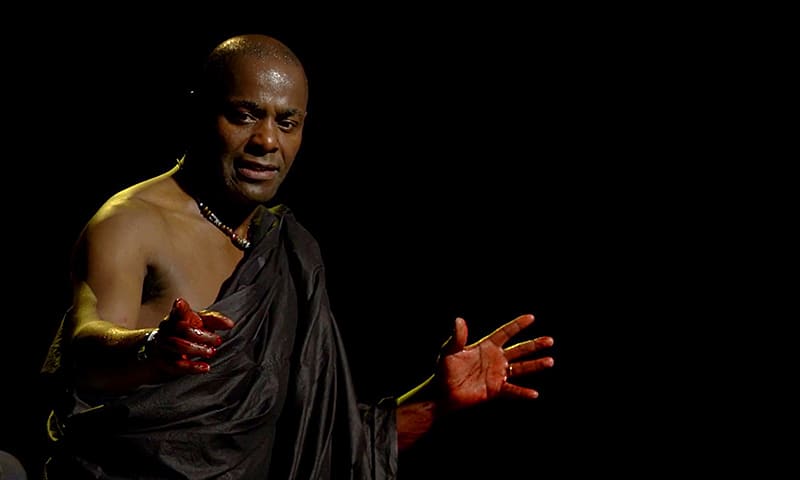
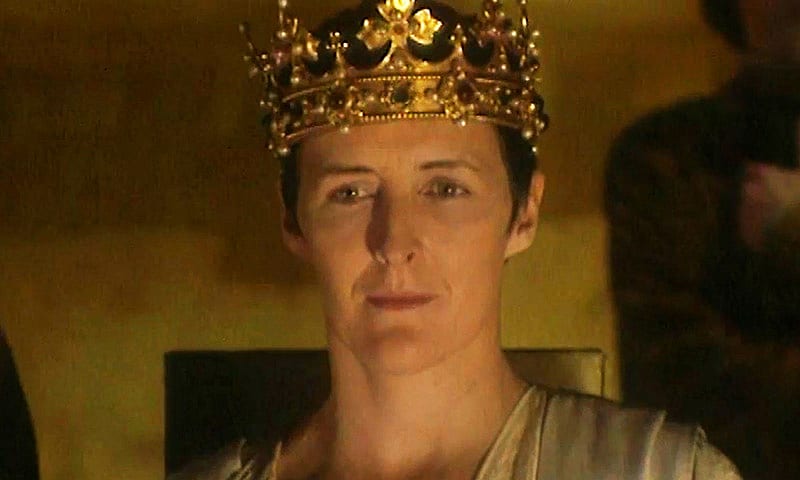

This collection includes rare footage, often from smaller theatre troupes whose experimental interpretations can provide a more comprehensive understanding of theatre in general and of particular plays. Please note that smaller theatre companies sometimes have lower budgets, which can impact production values.
Synchronised transcripts and closed captions for this collection are being added to videos on a rolling basis. All videos will have transcripts by December 2023. Where films in these collections are in a language other than English, captions will appear on the video and may not always be accessible to screen readers.
