Maria Rostworowski Historia Del Tahuantinsuyo Pdf -
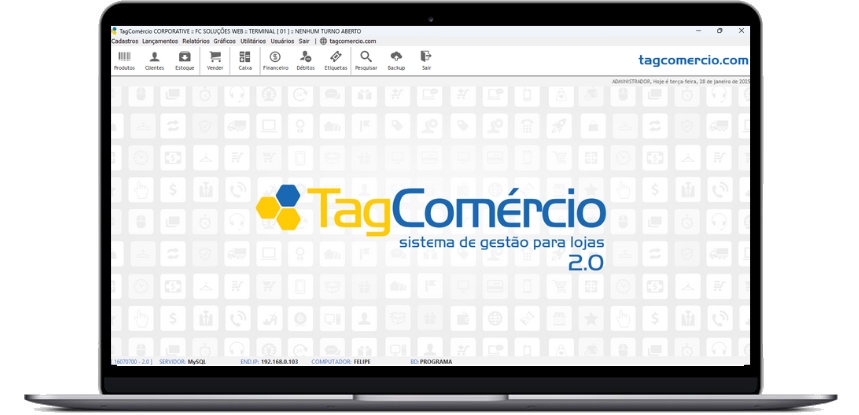
Conheça o TagComércio 2.0, um sistema
de gestão comercial não fiscal, voltado para
comércio varejista e atacadista em geral.
Conheça o TagComércio 2.0, um sistema
de gestão comercial não fiscal, voltado para
comércio varejista e atacadista em geral.
Escolha a versão do TagComércio ideal para o seu negócio.
Para adquirir sua licença entre em contato no nosso WhatsApp.

Mensal para 1 computador
Anual para 1 computador
If you are looking for a digital copy or more information about the text, several platforms host the PDF or summaries of its findings: Full Text (Archive.org) : You can find a digitized version of the 1999 edition on Internet Archive Institutional Download Instituto de Estudios Peruanos (IEP)
Cómo las contradicciones internas y el resentimiento de las macroetnias locales facilitaron la conquista española.
One of Rostworowski’s most significant contributions is her analysis of Inca succession and power. She challenged the Western concept of primogeniture—where the eldest son automatically inherits the throne—by demonstrating that the Inca "election" process was based on the "most capable" candidate. This often led to ritualized conflicts or "rebellions" among royal panacas (lineages) upon the death of a ruler. By explaining the role of the curacas (local lords) and the importance of the mitmaqkuna (colonists), she showed that the Tahuantinsuyo was not a centralized state in the modern sense, but a fragile mosaic of ethnic groups held together by religious prestige and economic obligations.
Trabajo obligatorio para el Estado Inca, el cual estaba obligado a "festejar" y alimentar a los trabajadores a cambio de su mano de obra. 4. La Economía Andina: Modelos de Subsistencia maria rostworowski historia del tahuantinsuyo pdf
The state collected surplus goods (maize, tubers, textiles) in storehouses (
La historia andina prehispánica cambió fundamentalmente gracias a la obra de la historiadora peruana María Rostworowski. Su libro fundamental, Historia del Tahuantinsuyo , publicado originalmente en 1988 por el Instituto de Estudios Peruanos (IEP), transformó la manera de entender el auge, la estructura y la caída del Imperio Inca.
: The book details how the Incas organized labor and resources across diverse ecological tiers without the use of money or markets as we know them. If you are looking for a digital copy
Si estás buscando profundamente cómo se organizaba el poder en el Tahuantinsuyo, este es el libro fundamental.
: Rostworowski explicó que el inca no gobernaba mediante el cobro de tributos en moneda, sino a través de la energía humana (mita). El inca solicitaba mano de obra y, a cambio, estaba obligado a redistribuir comida, chicha y regalos a los jefes locales (curacas).
Rostworowski highlighted that the Inca economy didn't function on markets or money, but on two pillars: Reciprocity: This often led to ritualized conflicts or "rebellions"
It is very important to remember that this book is protected by copyright. The law clearly states that any total or partial reproduction of the book's content without permission from the IEP is prohibited. If you find a PDF on a free file-sharing site, please be aware that using it without proper authorization may not be legal. The best way to access the material is always through legal channels to honor the hard work of the researcher.
She highlights the principle of duality in political and religious leadership, contrasting it with European notions of absolute monarchy.
É possível para o usuário trabalhar com os computadores em rede, sendo
possível que em um estabelecimento com vários computadores todos
eles estejam integrados a um só banco de dados, dessa forma ao efetuar
vendas ou modificar o estoque isso será visualizado em toda rede.

Faça o Download agora mesmo em seu computador ou notebook e experimente grátis.
Efetue o Download e solicite sua licença de teste no nosso WhatsApp.