(See instructions for Mobile Devices)


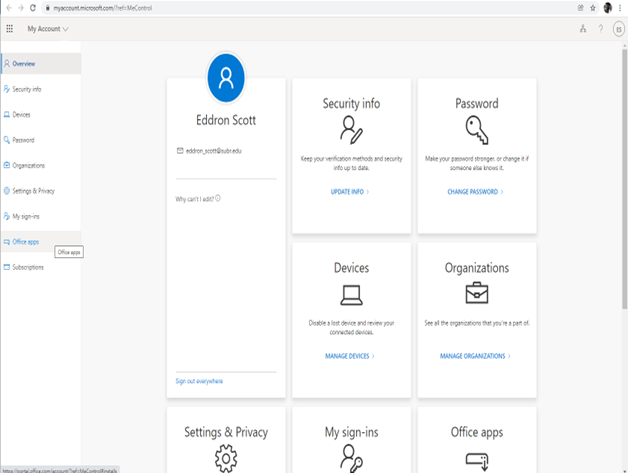
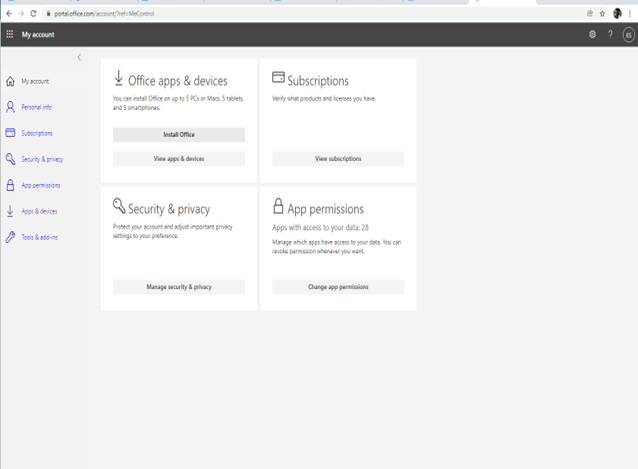
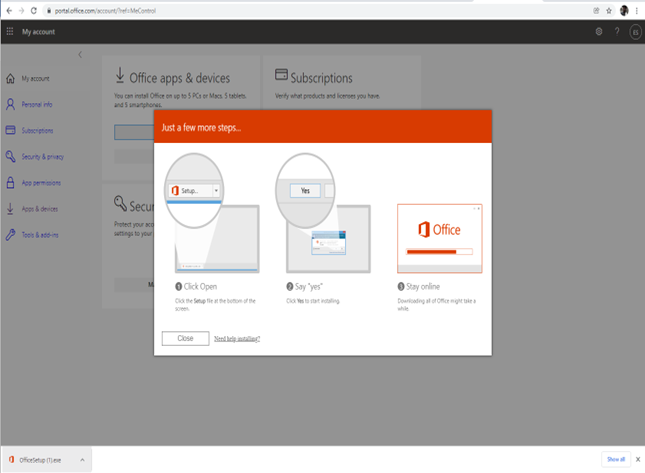

(See instructions for Desktop/Laptop Devices)
The following information should be helpful with setting up your favorite device to access MS Office 365 e-mail:
(Note: During the setup of your device make sure you enter your entire e-mail address (john_doe_00@subr.edu) for the user name or login. For best results when setting up your mobile device, remove any previous SUBR mail profiles prior to following the setup instructions.)
A uniform system of citation widely used internationally.
Proper citation is non-negotiable in legal research. It validates arguments, prevents plagiarism, and allows future researchers to trace the origins of legal concepts. Popular legal citation formats include:
defines legal research as a "systematic method of finding answers to legal questions or problems". The text, often sought in PDF format by law students, serves as a comprehensive guide to the structured inquiry into legal principles, doctrines, and their societal impacts. legal research methodology s.r myneni pdf
Why choose Myneni over others? Here is a quick comparison for the researcher:
Legal Research Methodology: A Comprehensive Guide to Dr S.R. Myneni’s Framework A uniform system of citation widely used internationally
Understanding Legal Research Methodology by Dr. S.R. Myneni Legal research is the backbone of the legal profession, serving as the bridge between raw facts and the application of justice. Among the most respected authorities on this subject in India is , whose work, Legal Research Methodology , has become a staple for LL.B. and LL.M. students across the country.
Dr. Myneni's "Legal Research Methodology" is specifically designed for a wide spectrum of law students in India. It serves as a foundational text for undergraduates (LL.B.) learning to write their first case comments or research papers. For postgraduate (LL.M.) students, it is an indispensable guide for structuring their dissertations and understanding advanced research concepts like hypothesis testing. Most critically, for Ph.D. scholars, the book provides the rigorous methodological framework required to propose, conduct, and defend their doctoral research. Here is a quick comparison for the researcher:
Also known as socio-legal research, this method examines how law functions in society using data collection tools like interviews, surveys, and observations. Key Components of the Research Process
Dr. Myneni begins by establishing the distinction between "doctrinal" and "non-doctrinal" research. He explains how doctrinal research focuses on the analysis of legal rules and doctrines (black-letter law), while non-doctrinal research looks at the law in its social context, examining the impact of legal rules on society. This dual perspective is essential for modern legal scholarship, which increasingly demands interdisciplinary approaches.
A central theme in S.R. Myneni’s framework is the distinction between the two primary types of legal research: doctrinal (theoretical) and non-doctrinal (empirical/socio-legal). 1. Doctrinal Legal Research (Research in Law)
Covers the syllabus of most Indian LLB and LLM programs regarding legal research.