


Dispositivos compatíveis
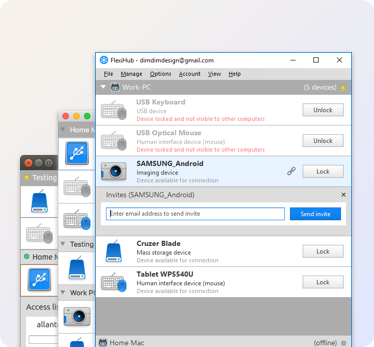
O FlexiHub permite partilhar praticamente qualquer tipo de dispositivo USB pela rede.


Wear a wide-brimmed hat to protect your face and ears. Step 1: Mastering the Proper Grip
, the 17th-century mathematician and philosopher. However, there is no historical record of him involving bullwhips in his scientific or theological lessons. Bullwhip Lessons
Before you unravel your whip, you must prepare your environment and your body. A bullwhip moves faster than the speed of sound—literally creating a small sonic boom—which means safety cannot be compromised.
Keep the plane of the whip flat and parallel to the ground to prevent the tail from dropping and striking your body. 5. Troubleshooting Common Beginner Mistakes
Always wear safety glasses and a wide-brimmed hat when practicing. Even a basic whip can cause painful welts if it hits exposed skin. Step 2: The Cattleman’s Crack
While comprehensive, paid courses exist, you do not need to spend money to learn the art of the bullwhip.
Ready to start? Clear a large outdoor space, put on some safety glasses, and search for "Beginner Bullwhip Tutorial" on YouTube today. Your adventure with the supersonic flexible blade has just begun.
You do not hold a bullwhip like a hammer or a tennis racket. Free lessons will show you the "thumb-on-top" grip, which allows for precise directional control, or the index-finger alignment used in specific performance styles. Phase 3: The Cattleman’s Crack
: Directing the handle forward in a straight plane, allowing the rolling loop to travel down the thong to the cracker. Phase 4: The Overhead Crack (Coachman's)
: Cracking a whip relies on kinetic energy transfer, not muscle. If your shoulder hurts, your technique is incorrect. Relax your arm and let the loop roll out naturally.
As the whip completes a circle above you, sharply reverse the direction of your wrist, sending a wave back through the line.





Wear a wide-brimmed hat to protect your face and ears. Step 1: Mastering the Proper Grip
, the 17th-century mathematician and philosopher. However, there is no historical record of him involving bullwhips in his scientific or theological lessons. Bullwhip Lessons
Before you unravel your whip, you must prepare your environment and your body. A bullwhip moves faster than the speed of sound—literally creating a small sonic boom—which means safety cannot be compromised.
Keep the plane of the whip flat and parallel to the ground to prevent the tail from dropping and striking your body. 5. Troubleshooting Common Beginner Mistakes
Always wear safety glasses and a wide-brimmed hat when practicing. Even a basic whip can cause painful welts if it hits exposed skin. Step 2: The Cattleman’s Crack
While comprehensive, paid courses exist, you do not need to spend money to learn the art of the bullwhip.
Ready to start? Clear a large outdoor space, put on some safety glasses, and search for "Beginner Bullwhip Tutorial" on YouTube today. Your adventure with the supersonic flexible blade has just begun.
You do not hold a bullwhip like a hammer or a tennis racket. Free lessons will show you the "thumb-on-top" grip, which allows for precise directional control, or the index-finger alignment used in specific performance styles. Phase 3: The Cattleman’s Crack
: Directing the handle forward in a straight plane, allowing the rolling loop to travel down the thong to the cracker. Phase 4: The Overhead Crack (Coachman's)
: Cracking a whip relies on kinetic energy transfer, not muscle. If your shoulder hurts, your technique is incorrect. Relax your arm and let the loop roll out naturally.
As the whip completes a circle above you, sharply reverse the direction of your wrist, sending a wave back through the line.


Resultado: sucesso total, e o nosso parceiro irá adquirir uma licença em breve.