



Today, Japan is a global exporter of "Cool Japan" culture, from gaming to music:
By the 1980s, Japan’s economic miracle fueled a golden age of entertainment. Sony introduced the Walkman; studios like Studio Ghibli were founded; and the world began to sense that Japan was not just a manufacturer of cars, but of dreams.
The philosophy of Japanese game design focuses on deep storytelling, precise mechanics, and memorable worlds. This approach created foundational franchises like The Legend of Zelda , Final Fantasy , and Pokémon —the highest-grossing media franchise in history. Today, the industry continues to innovate by blending nostalgia with cutting-edge technology, driving the global growth of esports and mobile gaming. The Idol Phenomenon and the Music Industry
The Japanese film industry, also known as "Nihon Eiga," has a rich history and has produced many critically acclaimed directors, such as Akira Kurosawa, Hayao Miyazaki, and Takashi Miike. Japanese films often blend traditional and modern elements, and popular genres include anime, horror, and action.
The "cute" culture (kawaii) isn’t just for kids. Characters like Hello Kitty
Do you need assistance with or a specific word count limit ? Share public link
Japan is the spiritual home of modern gaming. Companies like Nintendo, Sony, and Sega didn't just build hardware; they created cultural icons like Mario and Pikachu.
Japanese cinema holds a prestigious place in film history. Masters like Akira Kurosawa revolutionized storytelling and cinematography, directly influencing Western masterpieces like Star Wars .
The Japanese entertainment industry operates differently from Hollywood or European markets in several distinct ways:
The unique power of Japan lies in its ability to absorb outside influence (American jazz, German philosophy, Chinese Kanji) and filter it through an insular, hyper-local lens until it becomes something alien and wonderful.
: A focus on group consensus and avoiding conflict in social settings.
The post-WWII economic miracle transformed this foundation. The 1960s and 70s saw the rise of giant monster films ( kaiju eiga —Godzilla as a metaphor for nuclear trauma) and the first manga (comics) that spanned genres from salaryman dramas to post-apocalyptic sci-fi. By the 1980s, Sony’s Walkman and Nintendo’s Famicom had made Japan the undisputed king of portable leisure.
관련 자료 다운로드
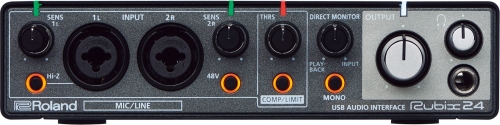
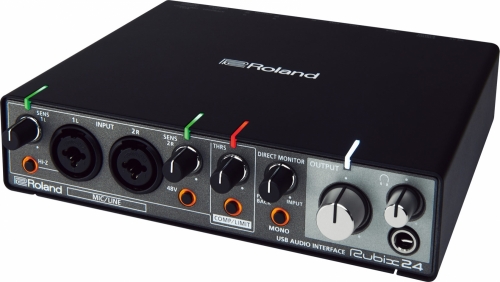
| 설명서 | Roland Rubix22/ Rubix24 / Rubix44 설치 매뉴얼 |
| 설명서 | Roland Rubix22/ Rubix24 / Rubix44 레퍼런스 매뉴얼 |