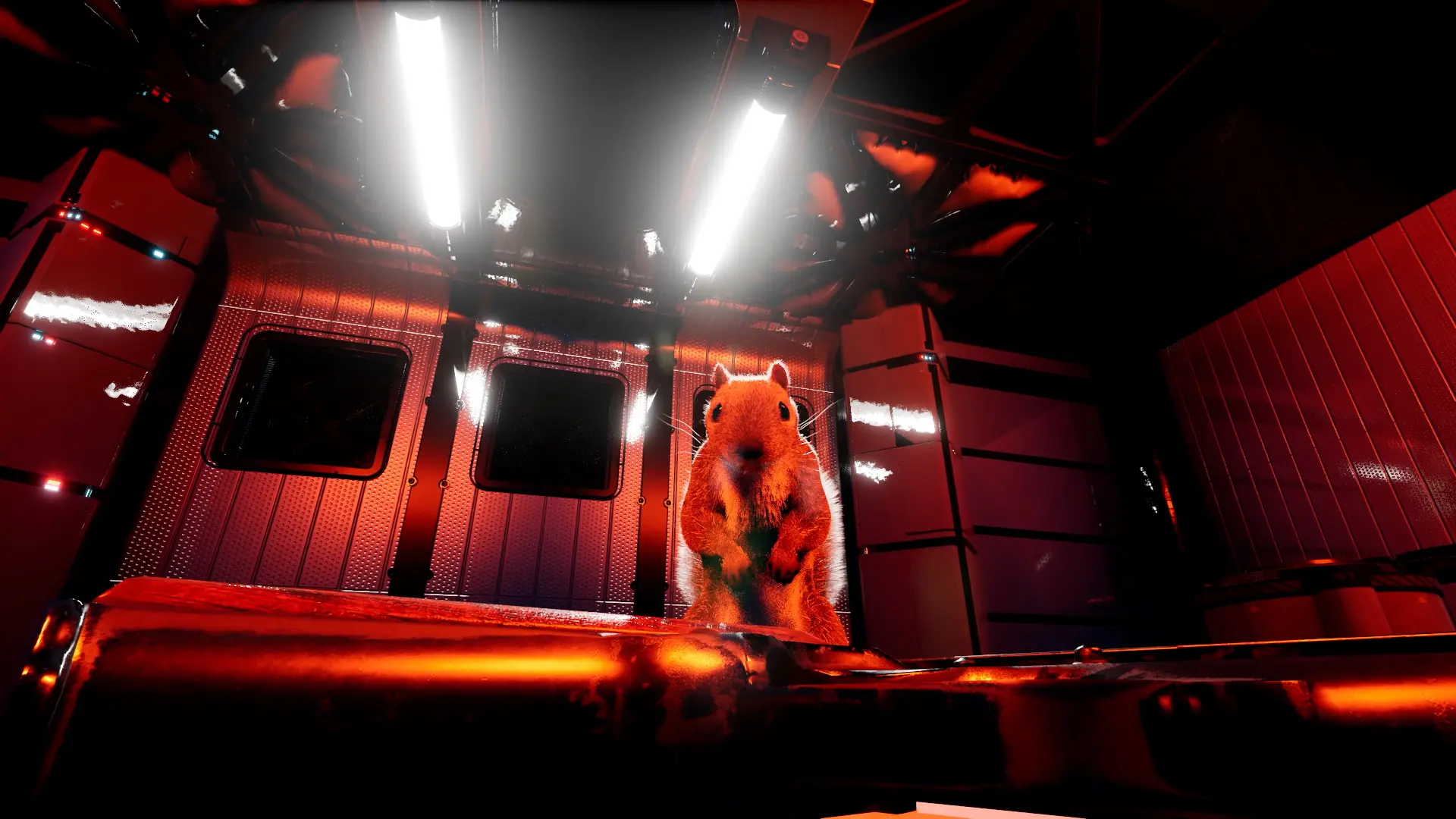
Squirrel, meet gun. As the neighborhood's most obnoxious rodent, develop a knack (and a love?) for crime and mayhem in pursuit of golden acorns in this nutty sandbox shooter and puzzle platformer. Fight tooth, claw, and gun to escape a secret underground facility and defeat the Agents.

Discover what an erratic squirrel is capable of with a gun in its paws (or just its paws) and how far how far this fuzzy fiend will go to collect its acorns. Escape a secret underground facility and defeat the Agents. Upgrade your weapons and locate the other secret bunkers to take down elite bosses; even blow up a tank! Swap out weapons to try your paw at all 12 types of enemy takedowns.

Navigate unique puzzle challenges to collect all the golden acorns by getting creative with how you use your arsenal of weapons, using weapon recoil to give yourself a boost. Collect enough golden acorns to unlock hidden sections of the game.

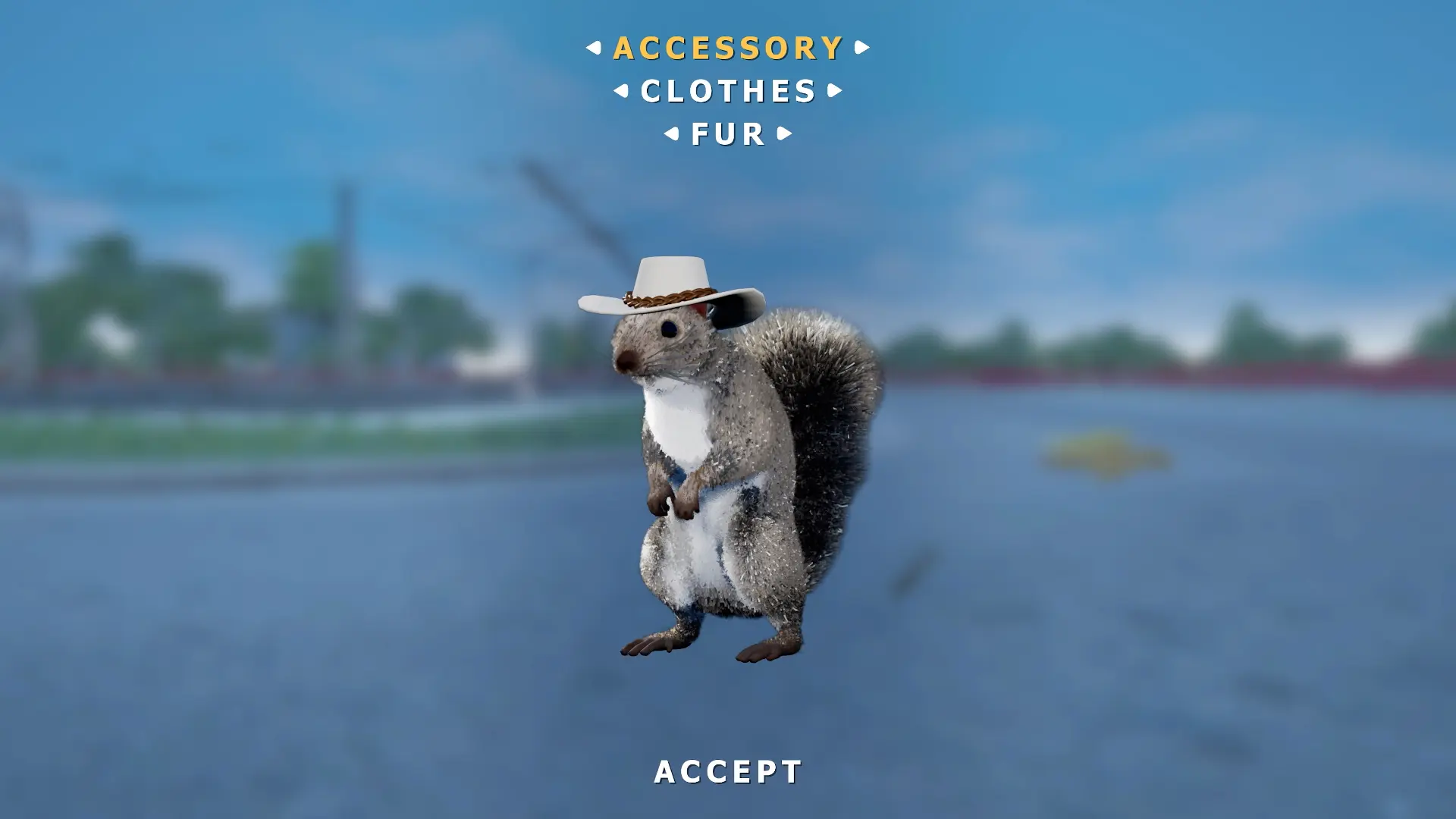
Explore the world from a squirrel's eye view or cruise around in your toy car. Harass the neighborhood or ask for nice pets from curious passersby. Help them out in exchange for goodies (or simply mug them) and unlock cosmetics to create your squirrely style.
CLICK SCREENSHOTS TO ENLARGE
Shape language is the psychological backbone of stylized art. Every shape carries an inherent emotional weight that the human brain processes instantly. When designing portraits for classwork, utilize the three primary shapes intentionally: Circles and Curves
Great stylists (like Loish, Ross Tran, or Craig Mullins) operate on an 80/20 principle: 80% anatomical logic, 20% expressive distortion. If you elongate a nose without understanding the nasal bone structure, it looks broken, not beautiful. If you enlarge eyes without understanding the orbital socket, they look like alien stickers, not expressive windows to the soul.
Mastering stylized portrait painting is a journey of intentional deviation from reality. While traditional portraiture focuses on precision and "likeness," stylization requires a deep understanding of the rules so you can break them effectively. In a professional class work environment, such as the curriculum offered by Coloso , students move through a structured workflow that balances anatomical logic with creative expression. Shape language is the psychological backbone of stylized art
I can provide target exercises to help you master your next studio project. Share public link
In a stylized class, you will learn to stop using "skin color." If you elongate a nose without understanding the
Limit your value thumbnailing to 3 or 4 distinct values: highlight, midtone, core shadow, and cast shadow.
Where you develop your visual alphabet.
I can provide targeted exercises to help you master your next assignment. Share public link
In stylized work, shapes speak to the viewer's subconscious. Color Theory and Mood
Once the drawing is locked in, the painting process shifts. In realism, you are a servant to the light source. In stylized painting, you are the .
Build your portrait using consistent shape language to enhance the narrative of the character. 4. Color Theory and Mood